These Our Wondrous World Class 5 Worksheet and Class 5 EVS Chapter 2 Journey of a River Worksheet with Answers Pdf are excellent for board exam practice.
Journey of a River Class 5 EVS Worksheet Chapter 2
Class 5 EVS Journey of a River Worksheet
Class 5 EVS Chapter 2 Worksheet – Class 5 Journey of a River Worksheet
This chapter tells the story of the Godavari river—from its origin to its delta. Students learn about its journey, tributaries, aquatic life, and the dams built on it. They also learn how the river supports many livelihoods and ecosystems, and how it influences people and culture. It also explores how rivers get polluted, the challenges they face and how we can protect them for the future.
Multiple Choice Questions
Question 1.
What kind of harmful things can hide in rivers?
a. Sand and stones
b. Fruits and vegetables
c. Chemicals and dirty soapy water
d. Pure drinking water
Question 2.
What is the name of the mangrove forest at the end of Godavari’s journey?
a. Sunderbans
b. Coringa
c. Bhitarkanika
d. Pichavaram
Question 3.
What carry water to homes and fields from rivers?
a. Ladders
b. Canals and pipes
c. Trains
d. Trucks
Question 4.
What should we do with the water left after washing fruits?
a. Throw it in the drain
b. Pour it in the sink
c. Use it to water plants
d. Drink it
Question 5.
Which of the following animals live in and around water?
a. Fish
b. Birds
c. Turtles
d. All of these

Question 6.
Where do plastic wrappers and bags usually end up when we litter them?
a. In the soil to grow plants
b. In rivers and oceans
c. In drinking water tanks
d. In the home
Question 7.
What does the river wish people would do?
a. Help keep it clean and free from waste
b. Build more factories near it
c. Swim in it every day
d. Drink more of its water
Question 8.
What can happen if there are no trees on the land?
a. Water stays in the soil longer
b. Water runs off slowly and prevents floods
c. Water runs off the land faster and causes flooding
d. It helps animals find more soil
Question 9.
Which of the following is a good way to protect water bodies?
a. Throw garbage in rivers and drains
b. Use eco-friendly soaps and cleaning products
c. Use more chemical fertilisers near rivers
d. Wash vehicles directly in rivers
Question 10.
Read the statements given below and choose the correct option.
Statement I: The Godavari river is also known as Dakshina Ganga.
Statement II: The Godavari river flows through southern India.
a. Statement I is true.
b. Statement II is true.
c. Both statements I and II are true.
d. Both statements I and II are false.
Fill in the blanks.
1. The Godavari river begins in the _________ Hills of the Western Ghats.
2. The dam found along the length of Godavari is called _________.
3. The _________ Gange programme works to clean the Ganga river.
4. The special event when people take a holy dip in the Godavari is called _________.
5. _________ trees grow in rich forests near the river.
6. The _________ Tiger Reserve is found in the state of Telangana.
7. River that flows only during the rainy season are known as _________.
State True (T) or False (F).
1. The Godavari River travels 1,465 kilometres before joining the Bay of Bengal.
2. All the rivers are perennial.
3. A dam is like a giant wall that blocks the flow of a river.
4. Each one of us keeps the tap ‘turned on’ while brushing our teeth.
5. Godavari flows through Maharashtra, Telangana, Chhattisgarh, Andhra Pradesh, and Odisha.
6. The National Water Mission encourages wasting water in cities.
7. Water ATMs are special machines that provide clean drinking water.
Match the following.
| Column I | Column II |
| 1. Ganga | a. River spreading into many streams at sea |
| 2. Godavari | b. Large water body to store water |
| 3. Tributary | c. Begins at Trimbakeshwar; Maharashtra |
| 4. Reservoir | d. India’s longest river |
| 5. Delta | e. A small stream joining a river |
Observe and label the given diagram of a water filter that is designed using everyday materials.

On the given outline map of India, mark and label:
1. River Godavari
2. Tributary Sabari
3. Tributary Indravati
4. Tributary Manjira
5. River flows through your state

Read the paragraph and answer the following questions.
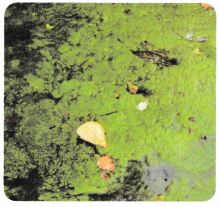
Sometimes fertilisers used to grow crops in farms get washed into the river. This makes plants in the water grow very fast. Soon, the river’s surface is covered with lots of plants, resembling a green blanket. This blocks sunlight and oxygen, making it difficult for fish and other aquatic creatures to live. The water also becomes unsafe to drink.
Question 1.
What causes the plants in the river to grow fast?
Answer:
____________________________
Question 2.
What do you understand by green blanket in the river?
Answer:
____________________________
Question 3.
Why is this green blanket harmful for aquatic creatures and fish?
Answer:
____________________________
Question 4.
Why does the river water become unsafe to drink?
Answer:
____________________________
Question 5.
How does blocking sunlight and oxygen harm the river?
Answer:
____________________________
Ask your mother the names of some soaps, shampoos or cleaners that are commonly used in your home. Also, ask why it is important to use eco-friendly products and write the answers in the space provided.
__________________________________________________
__________________________________________________
__________________________________________________
__________________________________________________
Answer the following questions.
Question 1.
Name two occupations people are engaged in near the Godavari.
Answer:
____________________________
Question 2.
What do you understand by the term irrigation?
Answer:
____________________________
Question 3.
What is one major problem caused by dams?
Answer:
____________________________
Question 4.
List a few crops that are grown near the Godavari.
Answer:
____________________________
Question 5.
What is ecotourism?
Answer:
____________________________
Question 6.
How does pollution affect river water?
Answer:
____________________________
Question 7.
What is a water ATM?
Answer:
____________________________
Question 8.
What would happen if there was no water for a week?
Answer:
____________________________
Question 9.
What are the advantages of dams?
Answer:
____________________________
Question 10.
Mention one way the Godavari river supports livelihoods.
Answer:
____________________________
Learn With Fun
For surviving a flood, we need to follow some safety tips before, during and after the flood. Read the following safety tips and classify them in the correct do’s and don’ts sections by writing the numbers.
1. Walk or drive in flood water.
2. Touch power lines.
3. Go to disaster areas until declared safe.
4. Follow the evacuation order.
5. Keep useful items (sandbags, ladder, rope) at home.
6. Contact with flood water.
7. Swim in flood water.
8. Stay informed through the local news.
9. Disconnect electricity and gas.
10. Emergency bag with food, medicines, etc.
11. Eat food that may have come in contact with flood water.
12. Lead animals to safer places.
13. Clean and disinfect surfaces.
14. Wait for the flood to start before leave.
15. Ignore flood warnings.
16. Check for broken wires before entering house.

Create a cut-and-paste cottage to show the different ways rivers are usefui in our daily lives. (Find and cut out pictures from newspapers, magazines, or print images from the Internet and paste in the space given below.)

Classify the following by writing their names in the correct columns.

| Dissolve in water | Do not dissolve in water |
Tick (✓) the given items that is/are used to prepare an emergency bag during the flood.

Word Puzzle
Find ten words related to this chapter in the given word search puzzle.
